Stick-slip
Stick-slip means the saddle breaks loose in jerks instead of starting smoothly. It is most obvious at slow feeds and light cuts.
- When the axis starts
- Slow feeds
On site worldwide
Nothing here on that.
Where others stop,I’m just starting.
I scrape the ways by hand, on the machine as it stands. Nobody has to tear it down or ship it out for that.
1/ 3
40+years in the trade
Spotting wear
If speed, feed and tooling are right and the chatter marks stay, the cause is under the saddle.
Stick-slip means the saddle breaks loose in jerks instead of starting smoothly. It is most obvious at slow feeds and light cuts.
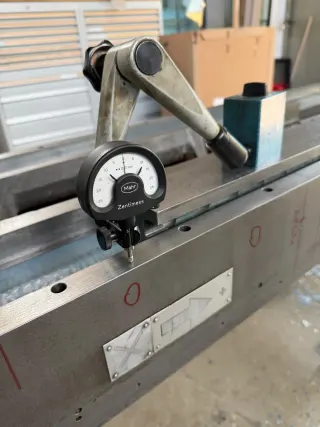
The same setting gives different sizes depending on where on the bed you cut. The error follows the wear on the way.
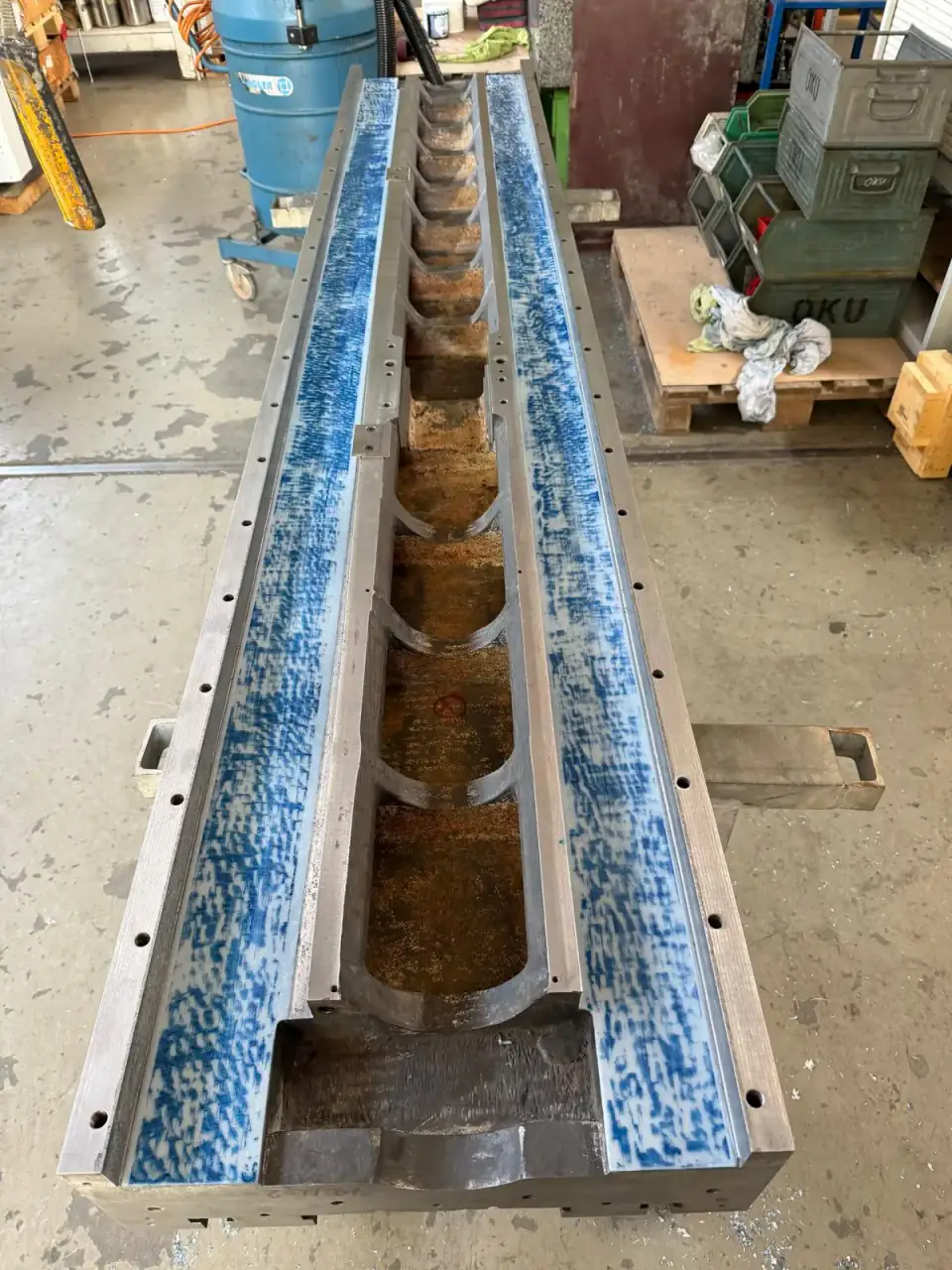
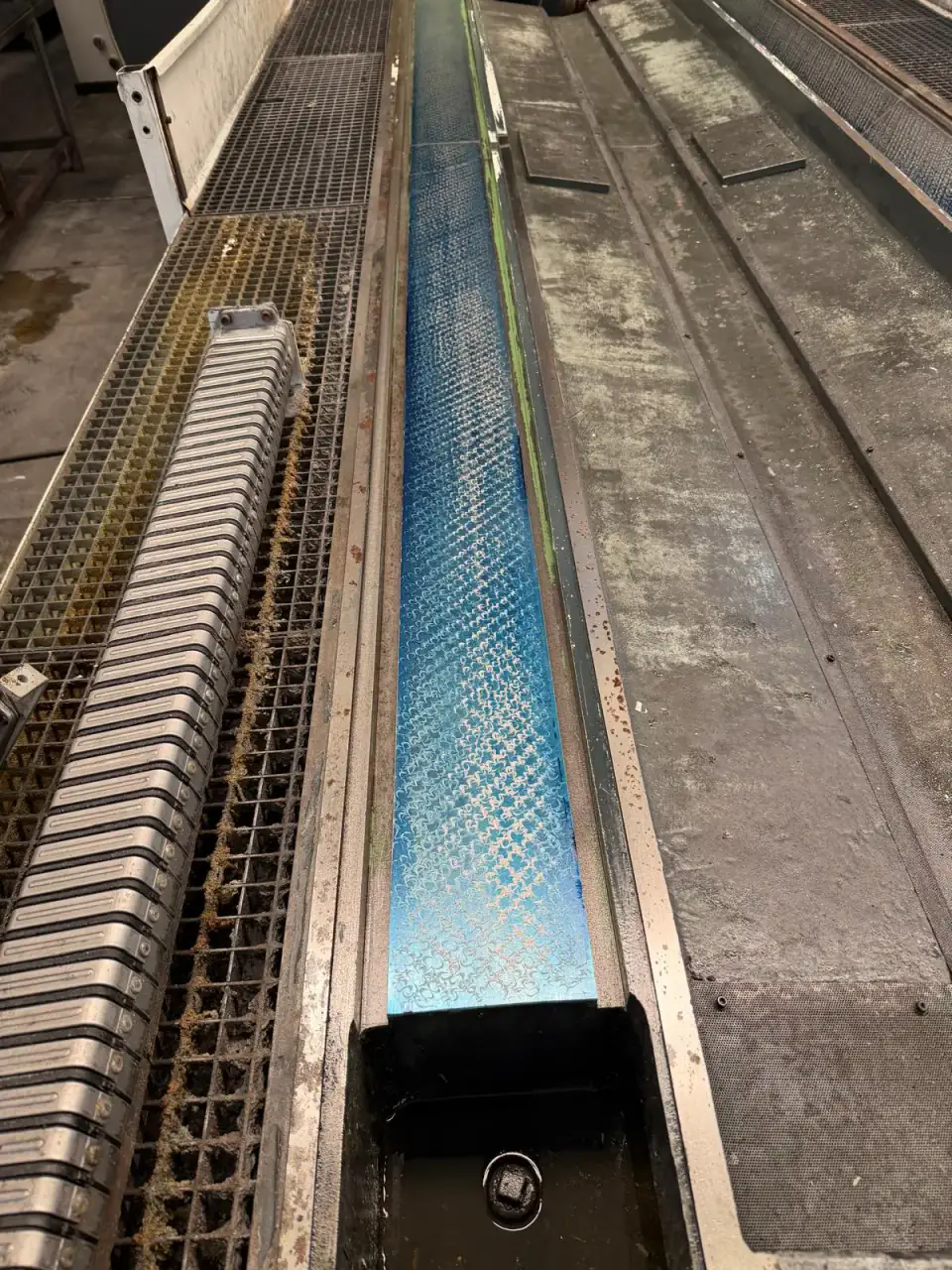
On the workpiece
Chatter marks are regular waves on the machined surface, usually in the feed direction. When the saddle runs on a way that has worn hollow, they show up first where it spends most of its time.
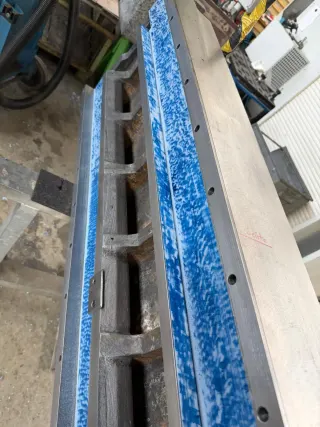
The gib on a dovetail way takes up the play in one spot and binds in the next. When no setting fits along the whole travel, the way has worn hollow.
The work happens on the installed machine, from taking the geometry to measuring it again afterward. The machines are surface grinders and cylindrical grinders, milling machines and lathes.
I measure the way, rework it and measure it again. On beds, saddles and rotary tables.
Go to the service page: Machine way repair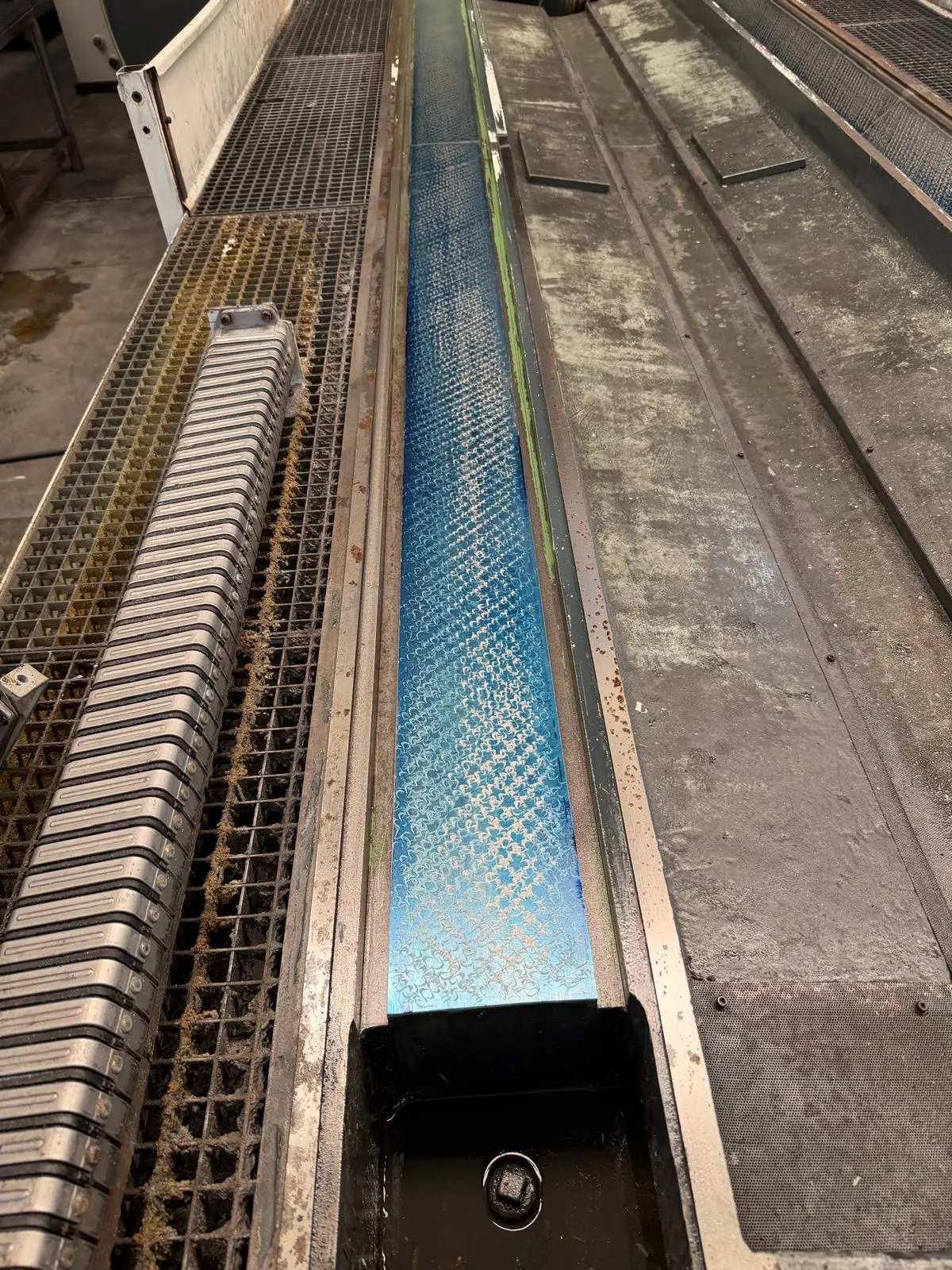
By hand, stroke by stroke. Also on ways that have worn far out of tolerance.
Go to the service page: Way scraping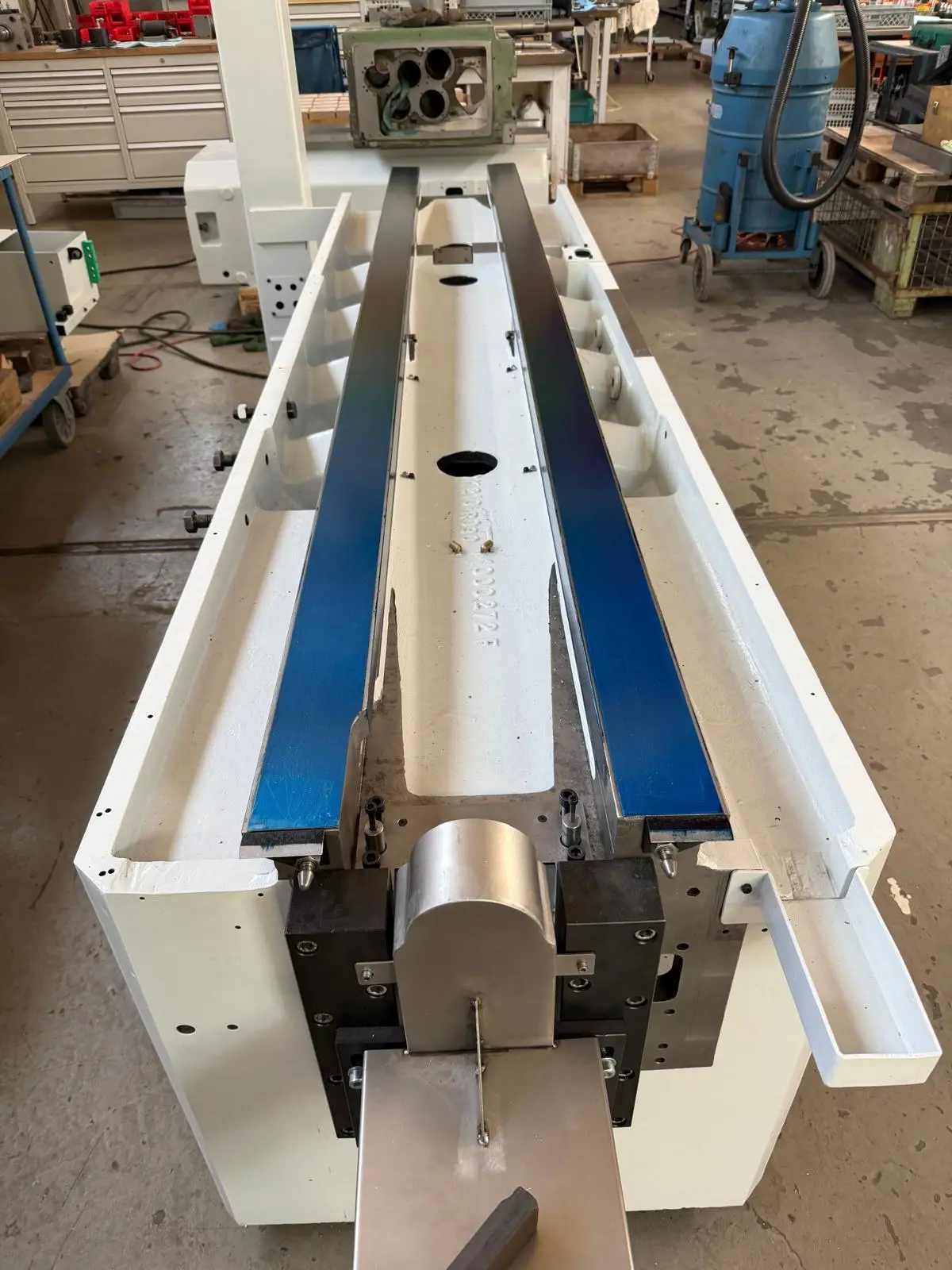
Reworked and set up again until the machine holds its geometry.
Go to the service page: Machine tool rebuildingBack to level and back to geometry after relocation or a new installation.
Go to the service page: Machine tool alignment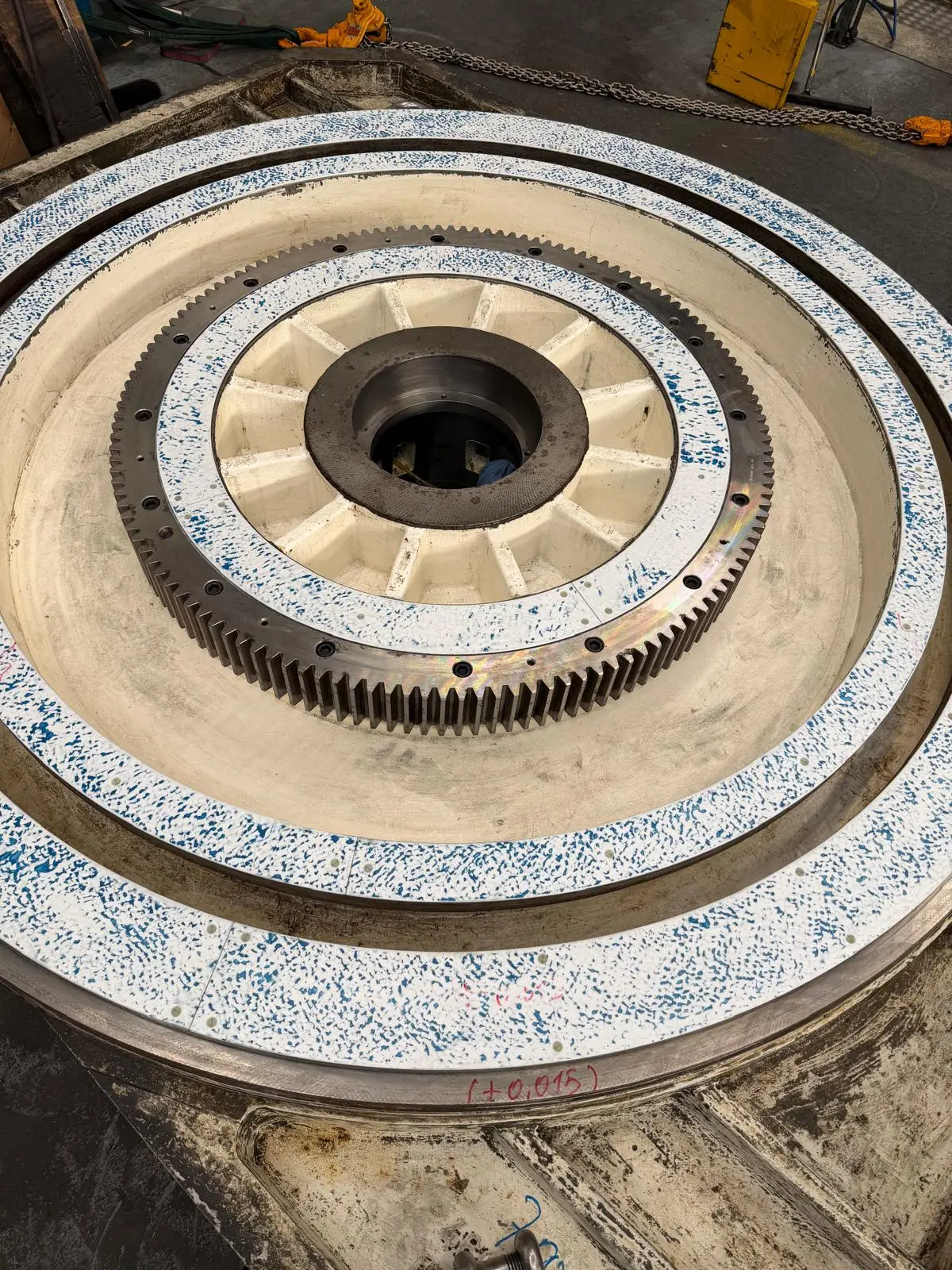
A new liner on the mating way, then scraped in.
Go to the service page: Way liner replacement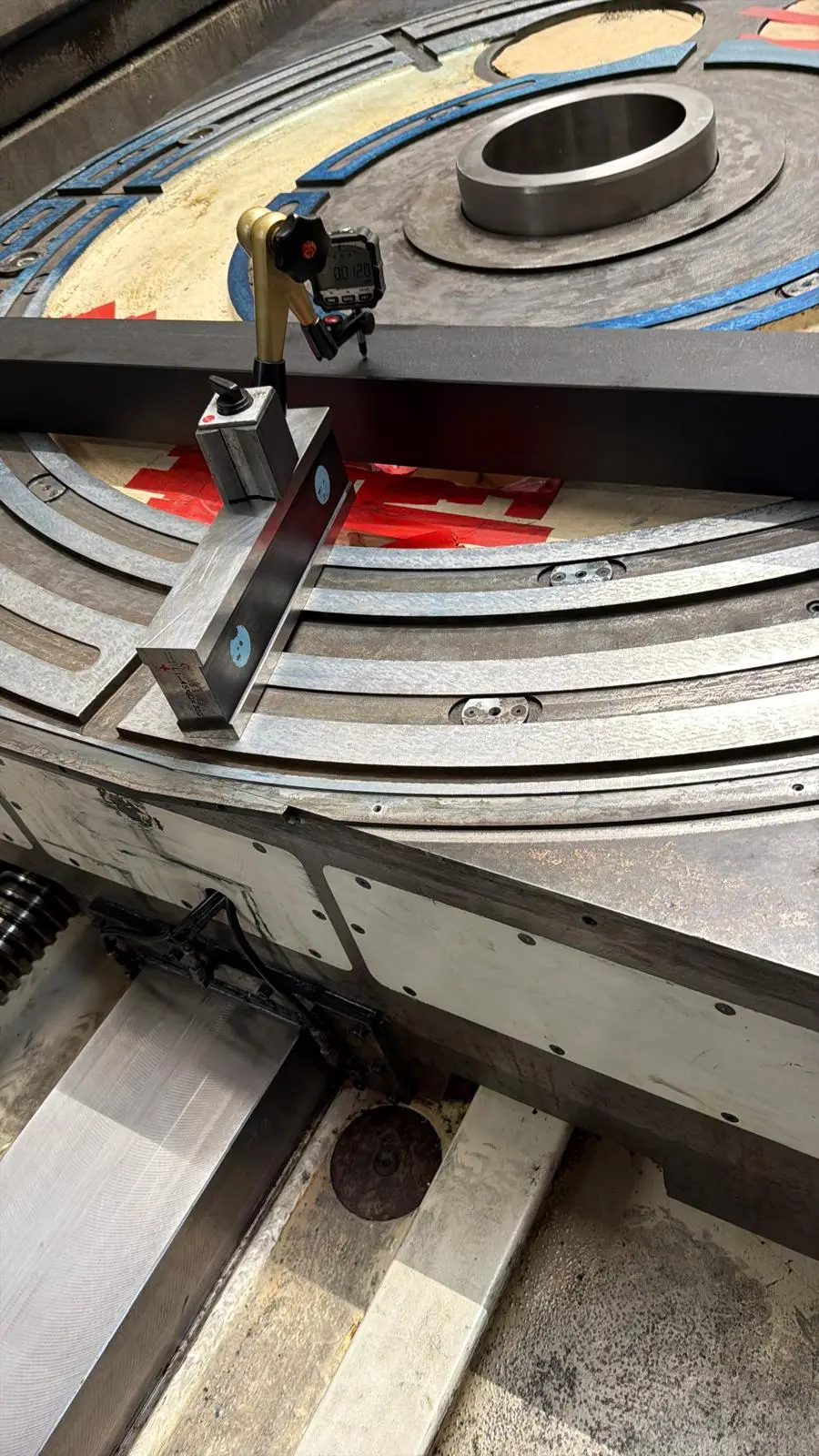
I record the readings and hand them over. You don’t have to judge the work by looking at the surface.
Go to the service page: Machine tool inspection reportMeasuring equipment
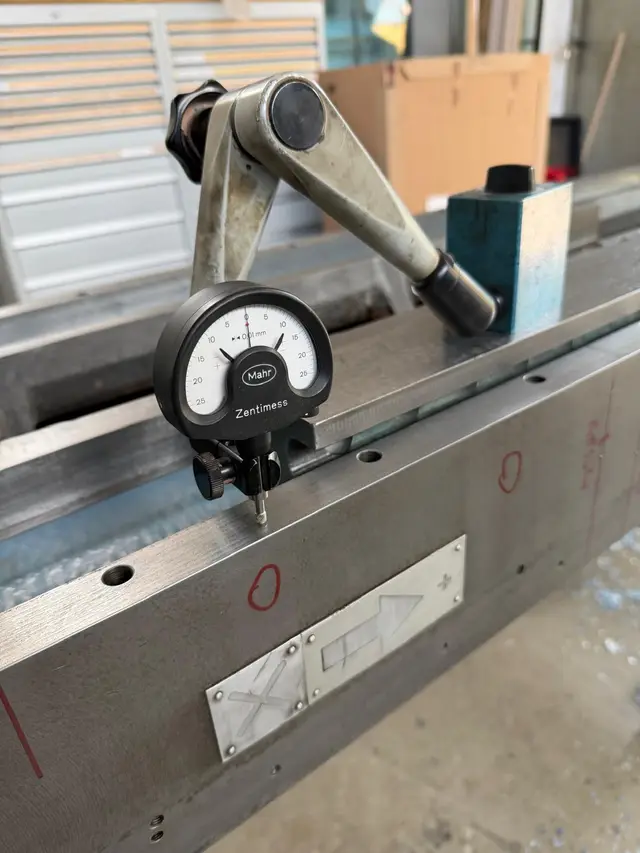
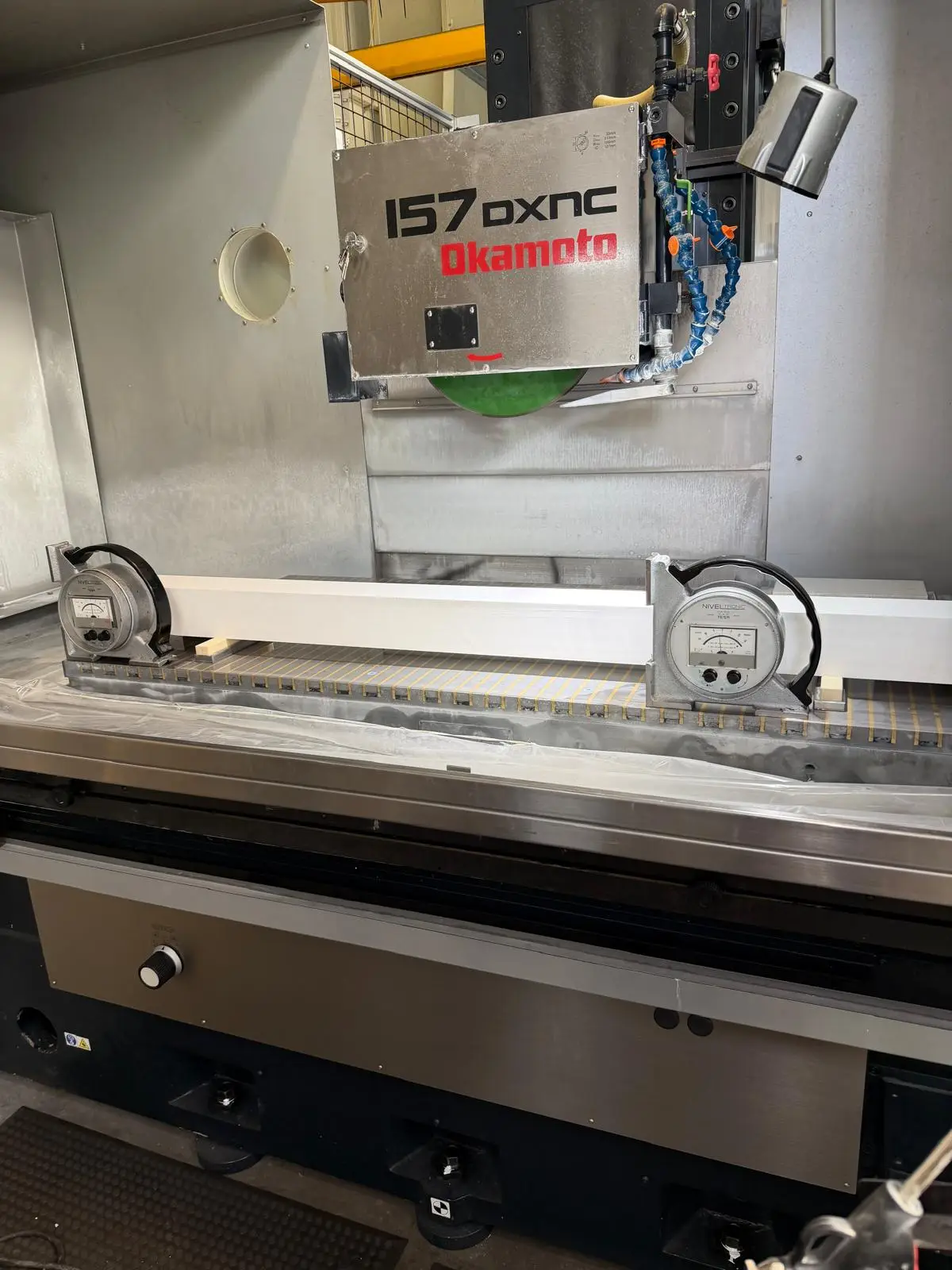
Every way is spotted and measured with an electronic level and a dial indicator, before the work and after it. The spotting is the gauge.
Inspection report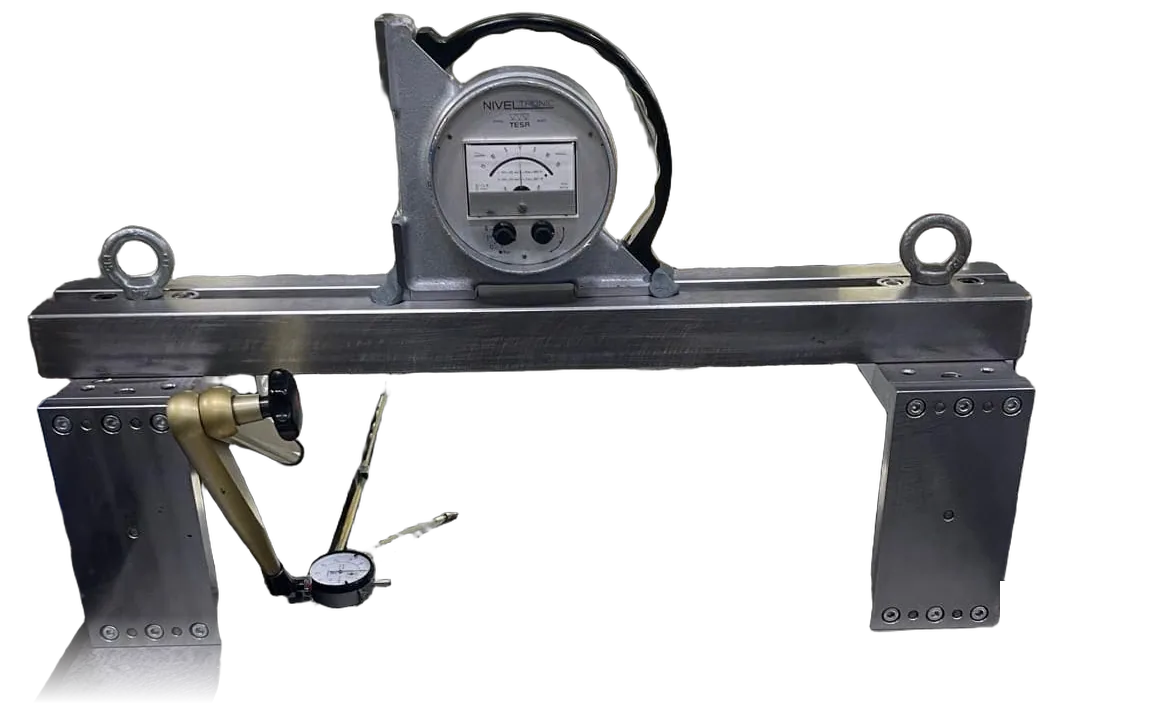
Our work
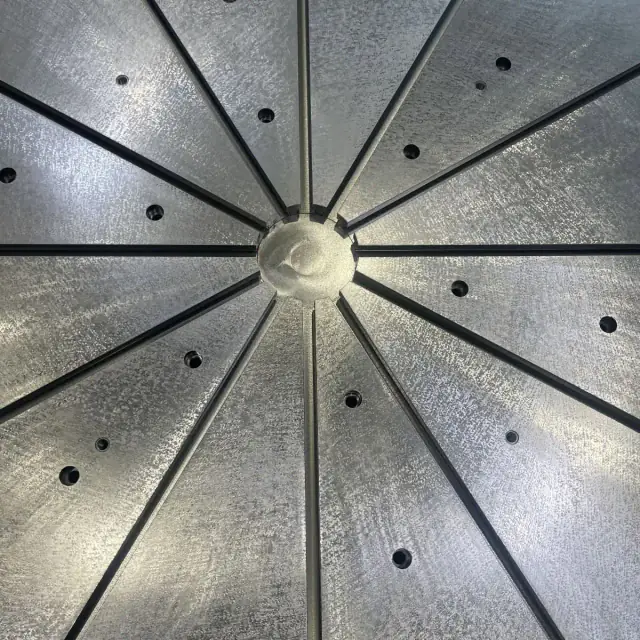
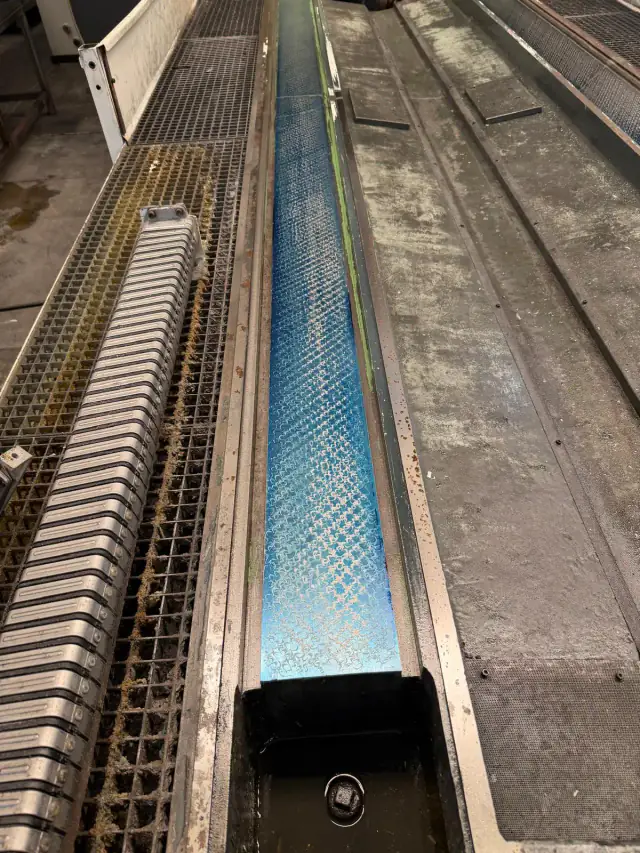
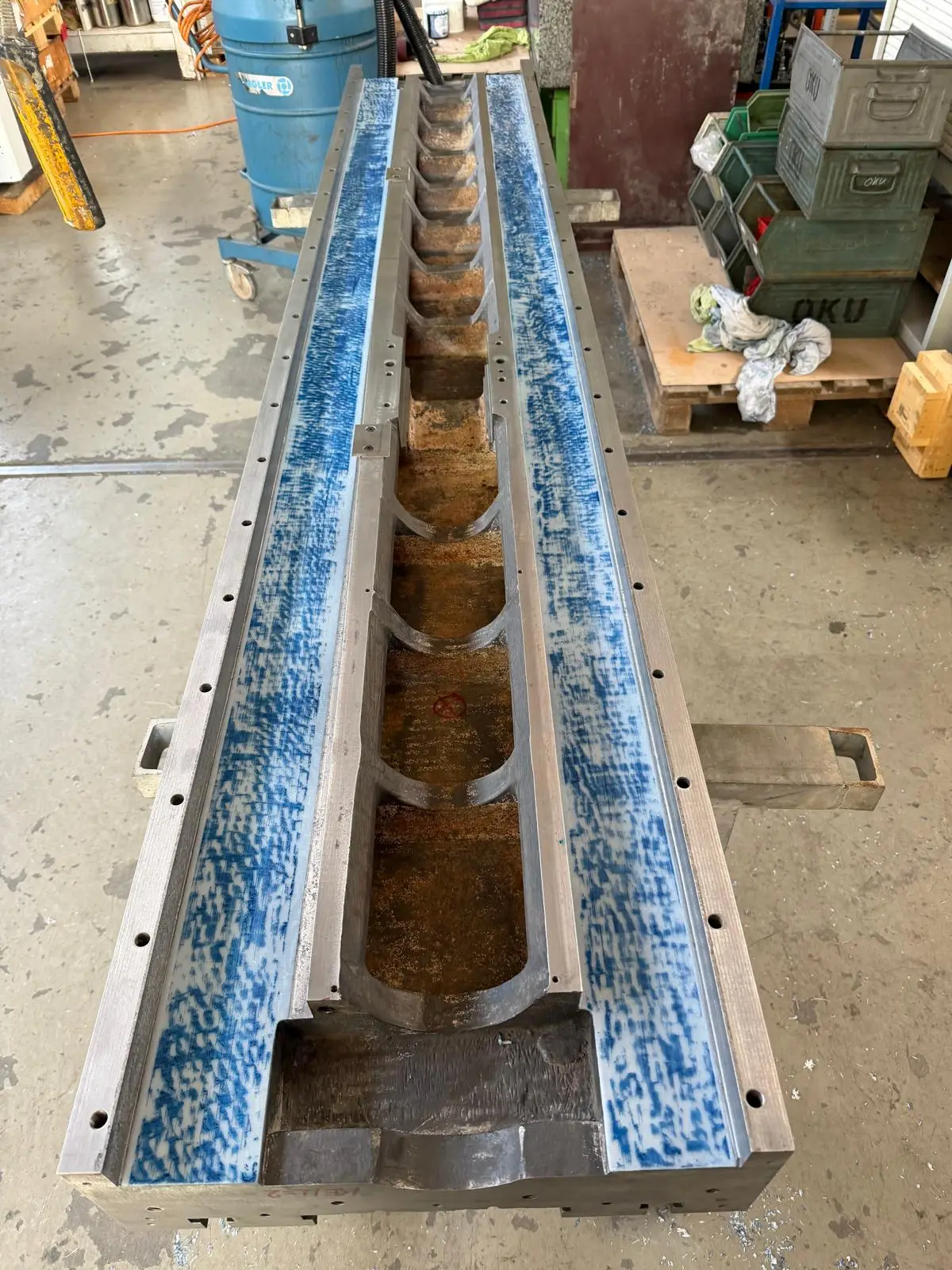
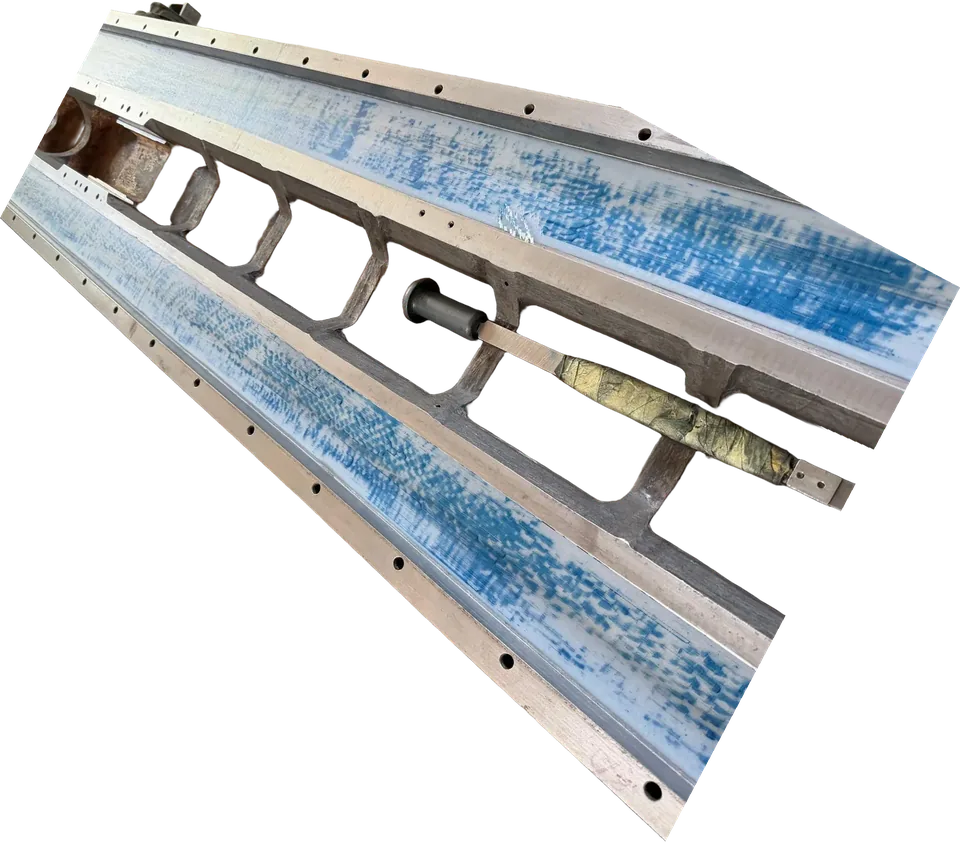
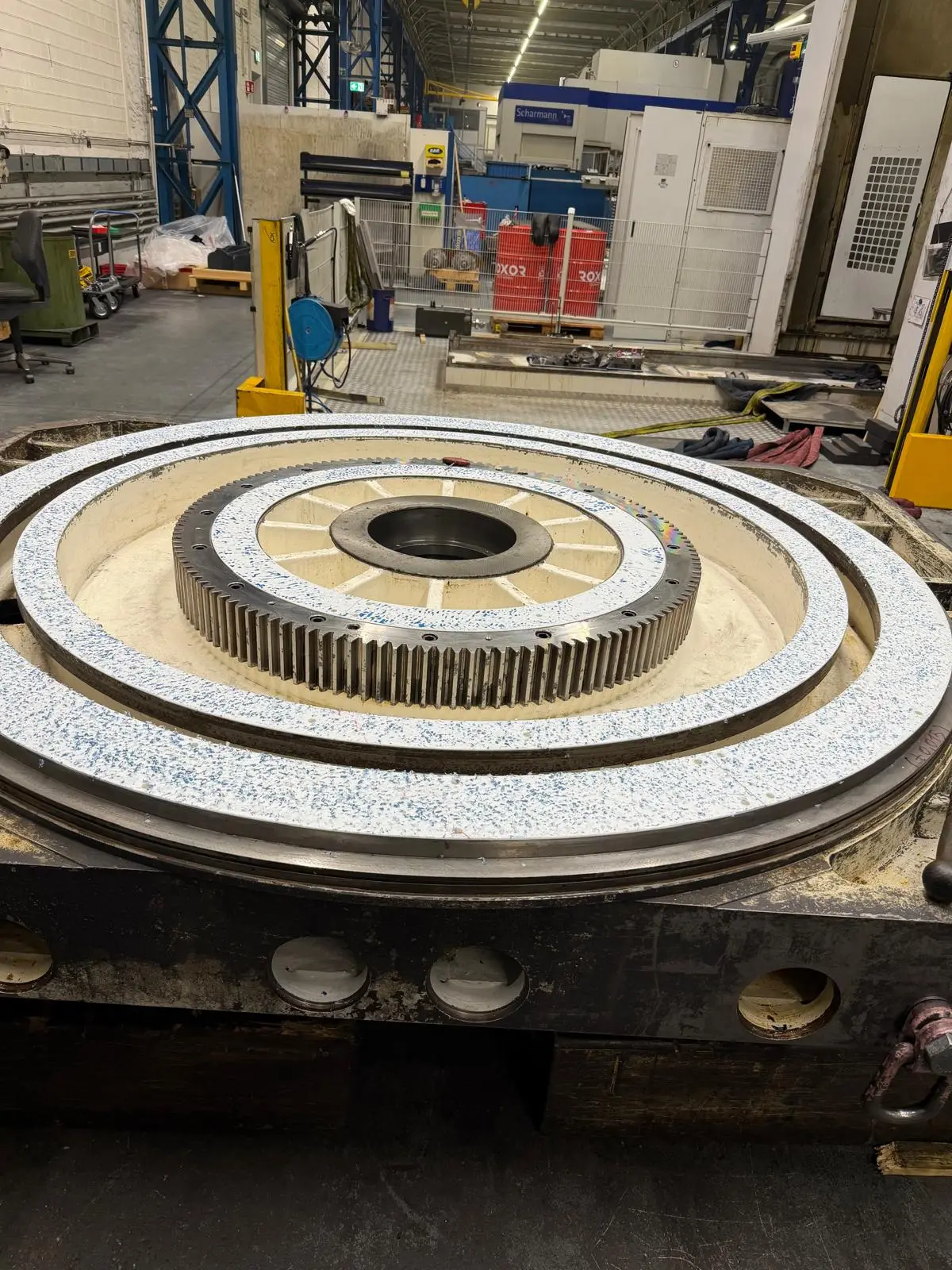
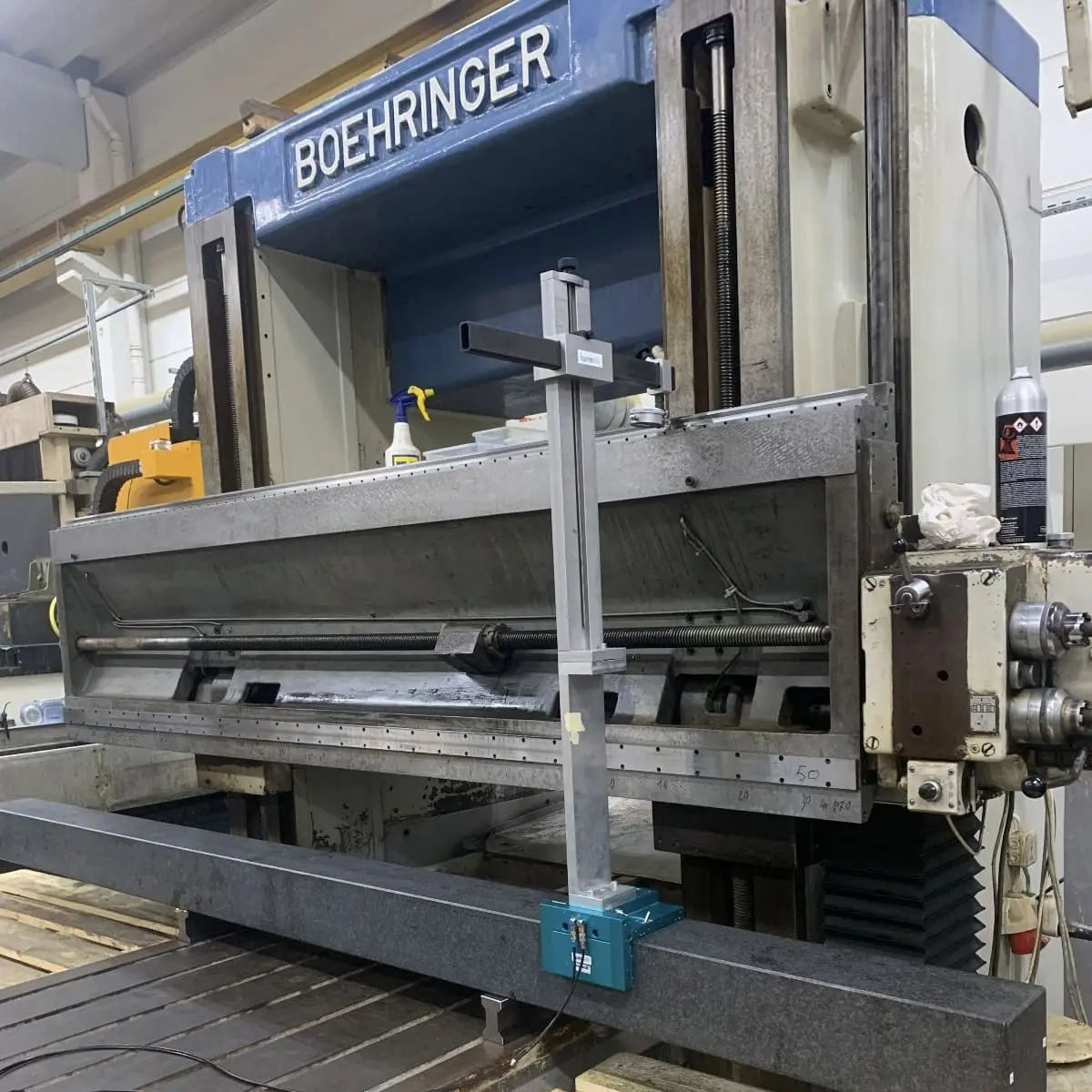
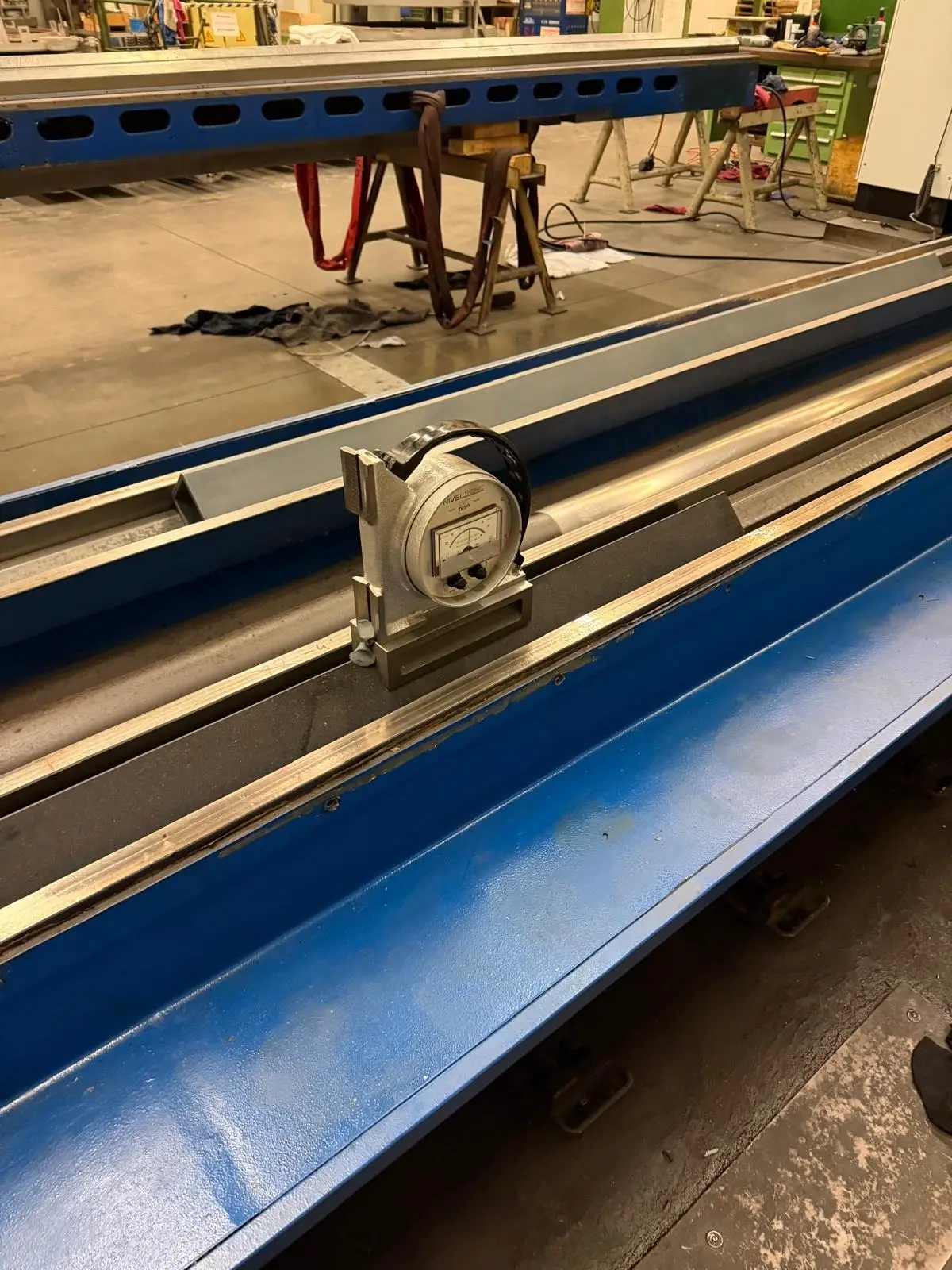
Even spotting over the full length, on a bed as on a rotary table. Everything here was photographed on the job, each photo with the part and the step.
Process
Three steps, from the phone call to the inspection report. The machine stays where it is.
The video is hosted on YouTube. Only when you start it does your browser connect to YouTube (Google). Your IP address is transmitted, and YouTube may set cookies. More in the privacy policy
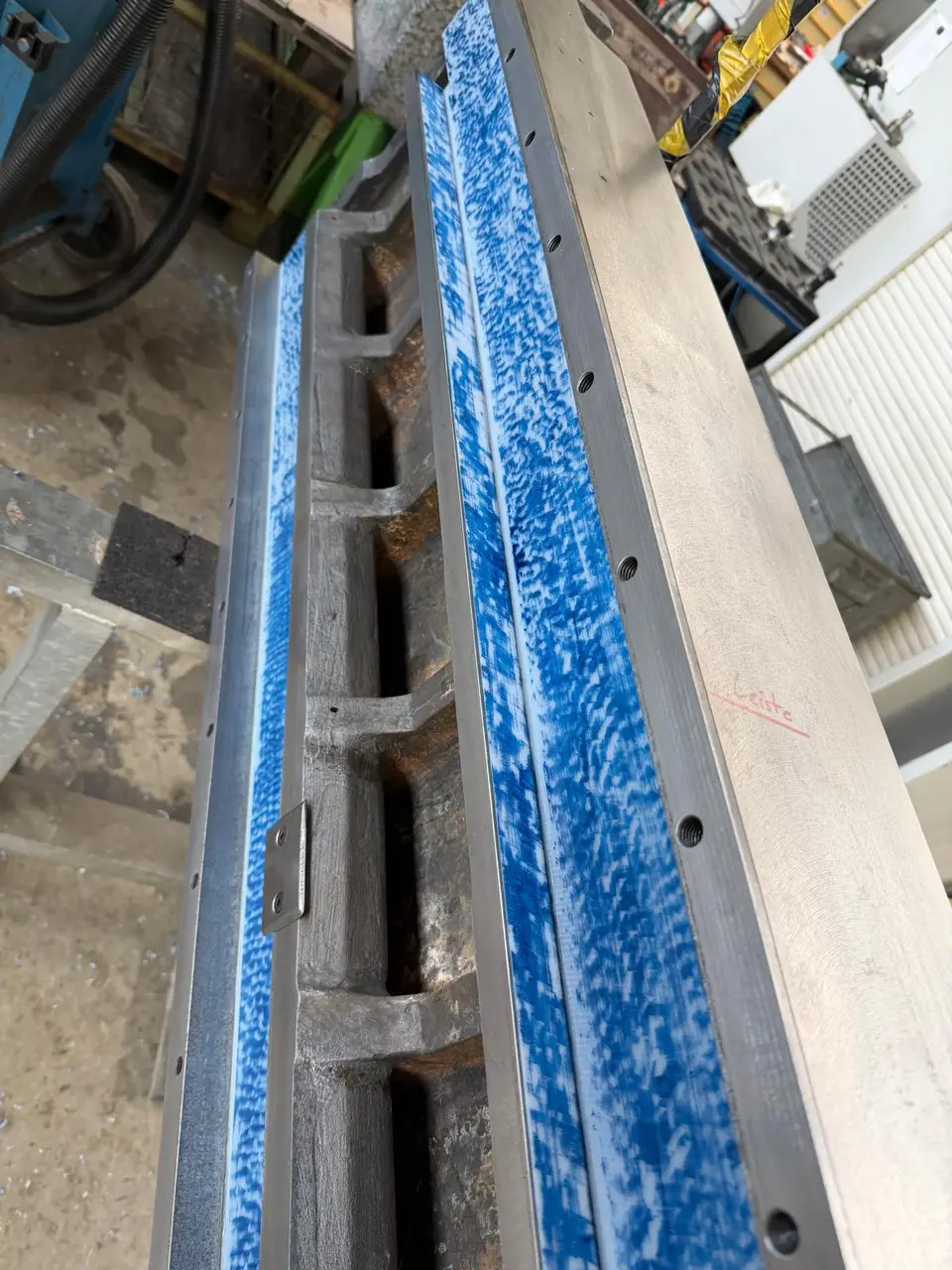
Hand scrapingon a machine way.
Length:1 min 55 s
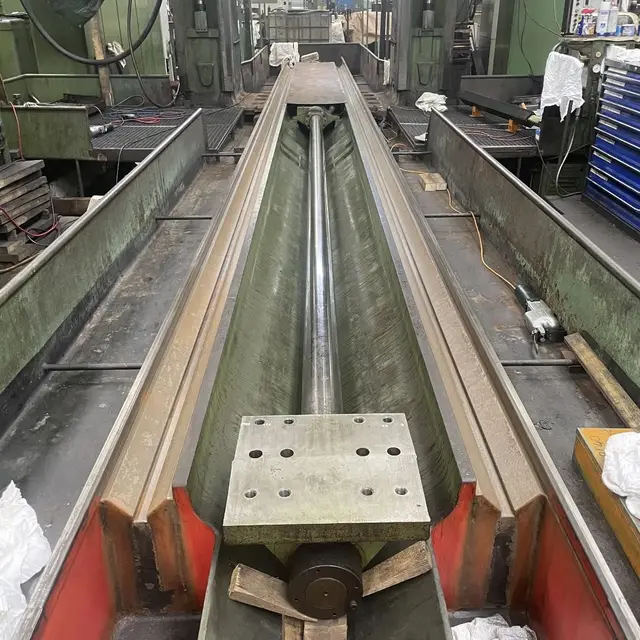
A call or an email is enough: which machine it is, what it is doing and where it stands.
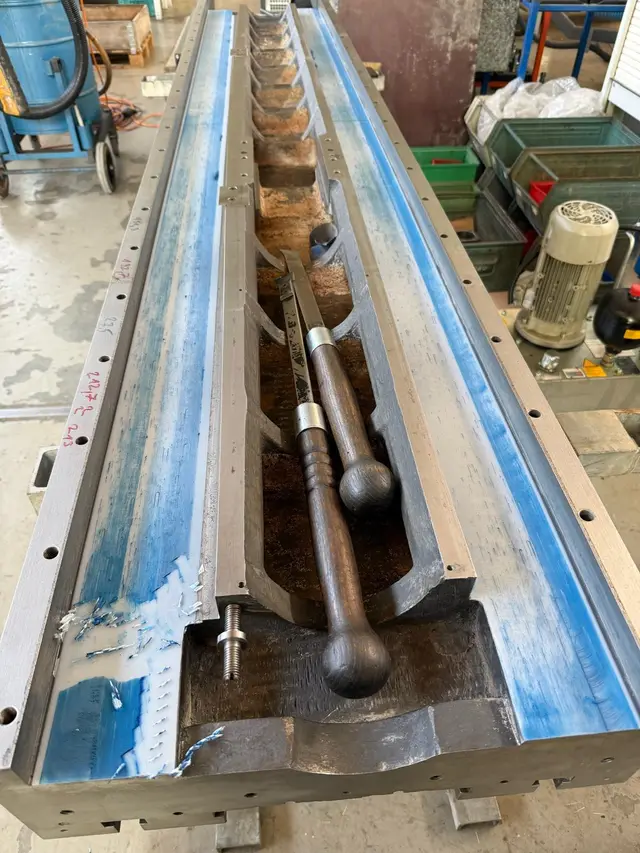
The way is spotted and measured, then scraped where the machine stands. Nothing gets torn down or trucked out.
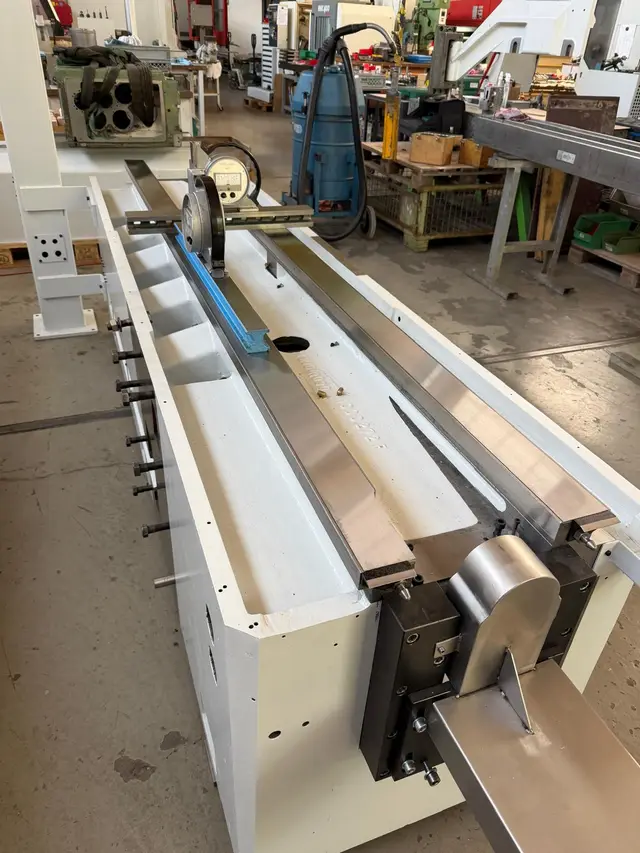
The same geometry is measured again. You get the spotting and the measured values as an inspection report.
About me
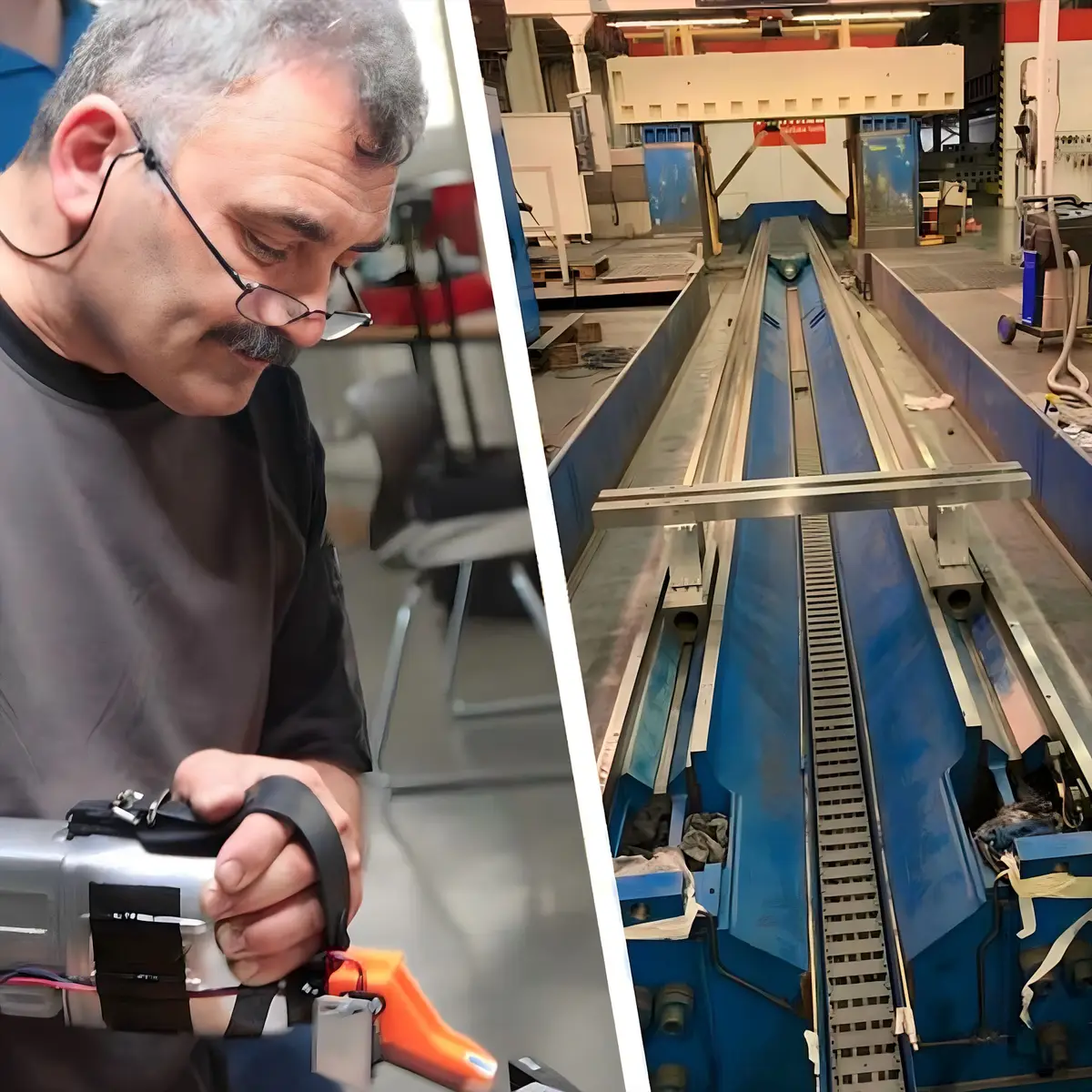
Kemal. That’s me in the photo, and that’s how you’ll find me at your machine: scraper in hand, where the machine stands.
I scrape on the installed machine. Nothing gets torn down or shipped out.
Spotting, electronic level and dial indicator. You get the values as an inspection report.
When you call, you talk to the person who will later stand at your machine.
I come to you, abroad as well. A bed that is already out I scrape in my workshop.
Frequently asked questions
Usually the same ones: whether the machine has to come out, and what you have in hand at the end. Anything not covered here gets settled with a phone call.
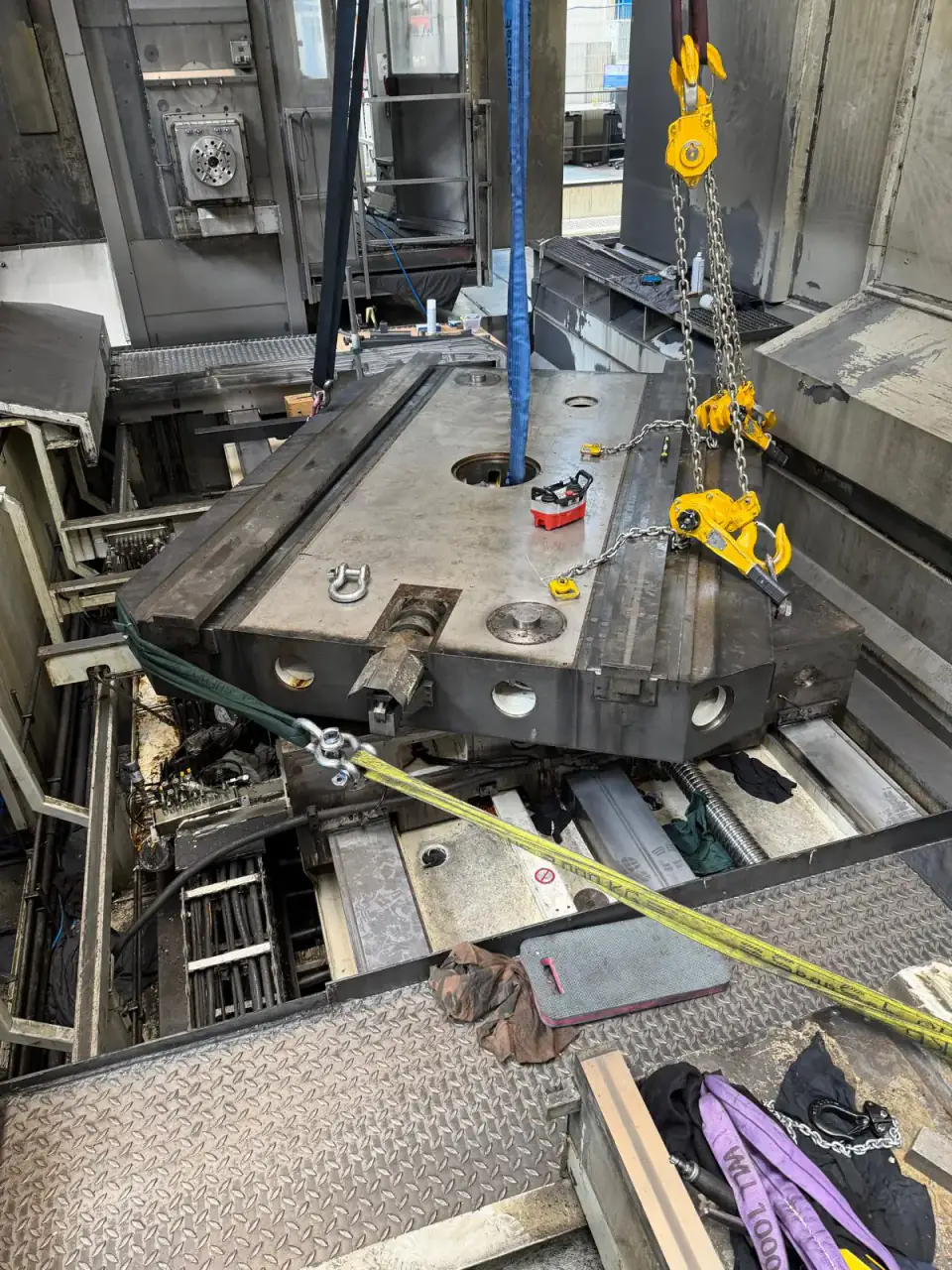
No. I scrape on the installed machine, at your plant, anywhere in the world. Nothing gets shipped, and nothing has to be realigned afterward. The way is measured and scraped where it will run later.
To grind a bed, it has to come out and go on a grinder. I scrape it in the machine, clamped and set up the way it will work afterward. The spotting is taken on that machine, not on a fixture.
That depends on the machine: how long the ways are, how badly they are worn and what needs doing besides scraping. I give you a reliable duration after the on-site inspection. There is no teardown or shipping, because I work on the machine where it stands.
Every way is spotted and measured with an electronic level and a dial indicator, before the work and again at sign-off. You get the spotting and the measured values as an inspection report. I don’t offer laser measurement.
That depends on the machine and on what it has to produce. We agree the target value before the work, and I measure it afterward. The result is in the inspection report you get at sign-off.
Surface grinders and cylindrical grinders, milling machines and lathes. I work on beds, saddles and rotary tables, as well as the way liner on the saddle and leveling from the foundation. I don’t do retrofits.
Yes. A bed that is already out is set up on stands in my workshop in Mühlacker and scraped there. It is measured the same way as on an installed machine.
By agreement, for each machine individually. There is no price list. Call and tell me which machine it is, and we’ll talk about the price.
Contact